
Exploring New Possibilities with David Human
Adventure, Learning and Progress Beyond the Familiar
What does it take to make an outdoor adventure work for an individual? Sometimes, the answer lies in the equipment we use. Sometimes, it comes down to the route we choose, the support we provide or a small adjustment that makes a significant difference.
What does it take to make an outdoor adventure work for an individual? Sometimes, the answer lies in the equipment we use. Sometimes, it comes down to the route we choose, the support we provide or a small adjustment that makes a significant difference.
Recently, the Equal Adventure team spent two days in Northumberland working alongside David Heumann to explore these questions in real outdoor environments. From the forest tracks of Simonside to the more demanding terrain around Windy Gyle, the trip offered an opportunity to test our all-terrain equipment, review adaptations and learn more about how we can make outdoor experiences safer, more comfortable and more rewarding.
The two days were not simply about travelling across challenging landscapes. They were about understanding David's experience, listening to his feedback and identifying practical ways to improve his control, positioning and confidence.
With Suresh supporting the journey through driving and practical assistance, the team worked together to evaluate what was effective, where difficulties arose and what could be improved for future adventures.
Day One: Simonside and Finding the Right Route
Our first day took us to Simonside, where we explored a relatively straightforward forestry track. The route provided a useful opportunity to become familiar with the terrain, work together as a team and understand how David and the equipment responded to the conditions.
The track offered some lovely views and a comfortable introduction to the two-day programme. It allowed the team to settle into the equipment and identify any immediate adjustments before attempting more demanding ground.
However, the route also highlighted an important consideration when planning inclusive outdoor experiences: a route needs to offer more than a passable track; it needs to provide a meaningful destination.
As the path deteriorated, it eventually became inaccessible for the wheelchair to continue. Although the team reached a point with good views, the route did not lead to the summit that David had hoped to reach. For someone who enjoys a challenge and values achieving a clear objective, stopping short of the intended destination can be frustrating. The experience prompted an important discussion about route selection and the need to consider what makes an adventure feel complete.
The importance of a meaningful finish
Outdoor routes are often selected based on distance, scenery and terrain. For inclusive adventures, these factors are important, but the intended outcome matters just as much.
A clearly defined destination gives participants something to work towards. It might be a viewpoint, a particular landmark, a lochside location or a summit where the terrain and access arrangements make reaching it realistic. The learning from Simonside was straightforward: future routes should have a clear, achievable objective that matches the participant's interests and the capabilities of the equipment.
This does not mean every adventure must reach a mountain summit. It means the destination should be chosen deliberately, with the participant involved in deciding what success looks like.
The first day also provided a useful observation about David's positioning. On returning from the route, his posture remained upright, which gave the team a helpful reference point when reviewing the more challenging conditions encountered on day two.
Day Two: Windy Gyle and More Demanding Terrain
The second day brought a more challenging environment around Windy Gyle. Compared with the forestry track at Simonside, the terrain was considerably more uneven, with greater side-to-side movement and more demanding changes in the ground.
This provided a valuable opportunity to assess the equipment and support arrangements under different conditions. It also highlighted how quickly positioning and stability can become more difficult when moving across rough terrain.
Reviewing harnessing and positioning
The team adjusted David's positioning and used a four-point harness, with the upper straps repositioned towards the centre of the top bar. This helped address the issue of a strap moving towards the shoulder. A knee restraint strap was also used.
Although these adjustments helped establish the initial setup, the uneven ground continued to present challenges. At points, the wheelchair experienced significant sideways angles, requiring members of the team to act as spotters to help manage the risk of tipping.
The need for additional spotting highlighted a key lesson: a setup that appears suitable on one route may need further review when the terrain becomes more demanding.
The team also observed that David's position had shifted by the time they returned to the car park. This prompted further discussion about how the seating and restraint arrangements could be improved to help maintain a more consistent position.
Exploring further adaptations
One idea discussed was the potential use of additional padding, including suitable padding associated with climbing harnesses, attached or integrated around the relevant belt or restraint arrangement.
The intention would be to explore whether additional support could improve comfort and help manage movement in the seat.
This remains an area for further consideration and assessment. Any proposed modification would need to be checked for suitability, compatibility with the existing equipment and safe use before being introduced in practice.
The wider learning is that positioning should not be treated as a one-off adjustment. It needs to be reviewed in response to the participant, the terrain and the way the equipment performs during use.
A Small Adaptation with a Significant Impact: The Throttle Paddle
One of the most encouraging developments during the trip was the addition of a throttle paddle.
During the first day, the team noticed that David's hand could slip on the existing throttle paddle, making it harder to maintain a comfortable grip and consistent control. This was particularly relevant when travelling at a steady speed or moving slowly over more technical ground.
A modified paddle was introduced on the second day, and the difference was noticeable.
The new arrangement gave David a more comfortable surface to hold, allowing him to position the paddle more naturally in the palm of his hand. This improved his ability to maintain a steady speed and gave him greater control, particularly during slower movement and on the descent.
This was an important example of how a relatively small change can improve the experience of using adaptive equipment.
The underlying equipment did not need to be completely redesigned. Instead, the team identified a specific difficulty, considered how the control interface could better suit David's needs and tried an adjustment in the field.
The feedback from this trial was positive, although further technical review remains necessary.
A further technical issue to investigate
The debrief also identified an issue with the throttle: it was reported that the control did not return to zero.
This needs to be investigated before the setup can be considered fully resolved. A throttle that does not return to zero may affect safe operation, so the cause must be identified and the control checked before further use where this issue could create a risk.
The positive feedback about the modified paddle is encouraging, but it does not remove the need to resolve this separate technical concern.
Designing for Changing Needs
Designing for Changing Needs
Another important lesson from the two days was the need to recognise that David's posture and condition are changing.
An adaptation that works well today may not provide the same level of comfort, positioning or control in the future. For this reason, equipment maintenance and review need to consider not only the current setup but also how it may need to change over time.
The team discussed the importance of considering potential future changes and understanding what additional equipment or support might be needed if David's requirements become more complex.
This approach is central to effective inclusive equipment provision. The objective is not simply to find a solution that works in one set of circumstances, but to develop a flexible approach that can be reviewed and adapted as the individual's needs evolve.
It also reinforces the importance of maintaining an ongoing dialogue with the person using the equipment. Their feedback is essential to understanding what is comfortable, what feels secure, what works in practice and where improvements are still needed.
What We Learned from the Two Days
What We Learned from the Two Days
The Northumberland trip provided several valuable lessons that can inform future equipment development and outdoor planning.
1. Choose routes with a clear objective.
Route selection should consider accessibility, terrain, the participant's ambitions and whether the intended destination can realistically be reached. A meaningful finish can make a significant difference to the overall experience.
2. Assess equipment in the environments where it will be used.
Testing on a relatively smooth forestry track provides different information from testing on uneven, sloping ground. Both are valuable, but more demanding terrain can reveal issues that may not appear in easier conditions.
3. Treat positioning and restraint as ongoing considerations.
Harnessing and seating arrangements need to be reviewed throughout an activity, particularly when terrain becomes rougher or the participant's posture changes. Proposed modifications should be appropriately assessed before use.
4. Listen to the person using the equipment.
David's feedback about the throttle paddle helped identify a practical improvement. The person using adaptive equipment is central to understanding how well it works in real conditions.
5. Plan for changing requirements.
Equipment and support arrangements should be reviewed regularly, recognising that comfort, posture and control needs can change over time.
6. Investigate technical issues thoroughly.
The throttle's failure to return to zero remains an issue requiring further investigation. Positive results from one adaptation should always be considered alongside outstanding technical and safety checks.
Inclusive Adventure Is a Process, Not a Single Solution
At Equal Adventure, we believe inclusive adventure is about creating opportunities for people to experience the outdoors in ways that reflect their individual goals, interests and needs.
These two days in Northumberland reinforced that inclusion is rarely achieved through a single piece of equipment or a standard approach. It requires observation, discussion, practical testing and a willingness to make changes when something is not working as intended.
Sometimes, the most useful outcome is discovering that a route needs to be reconsidered. Sometimes, it is identifying a new adaptation that improves comfort or control. And sometimes, it is recognising that further work is needed before an idea can be safely implemented.
Each of these outcomes contributes to a better understanding of what is possible.
The experience also demonstrated the value of working collaboratively. By bringing together David's experience, the team's observations and practical equipment adjustments, we were able to identify areas of progress as well as priorities for future work.
Thank You, David
A huge thank you to David Heumann for his determination, honest feedback and willingness to explore different possibilities with us.
His involvement helped the team understand how equipment performs beyond the workshop and how seemingly small adjustments can affect the overall experience of an outdoor adventure.
We are also grateful to everyone involved in supporting the two days, including Suresh and the wider team, whose driving, planning and practical assistance helped make the trip possible.
The learning from Northumberland will inform our ongoing work to improve adaptive equipment, strengthen support approaches and plan outdoor experiences around the individual.
The Journey Continues
Not every route reaches the summit. Not every adaptation works perfectly the first time. And not every challenge has an immediate solution.
But every experience offers an opportunity to learn.
Our time at Simonside and Windy Gyle reminded us that progress often comes through careful observation, practical problem-solving and a willingness to keep asking how things could work better.
For Equal Adventure, that is what adventure with purpose means: supporting people to explore possibilities, responding to individual needs and continually learning how to make the outdoors more accessible.
The next challenge is another opportunity to improve. The journey continues, and the next summit is waiting. 🌿
Equal Adventure — creating opportunities for inclusive outdoor experiences through adaptive equipment, practical support and a commitment to continuous learning.
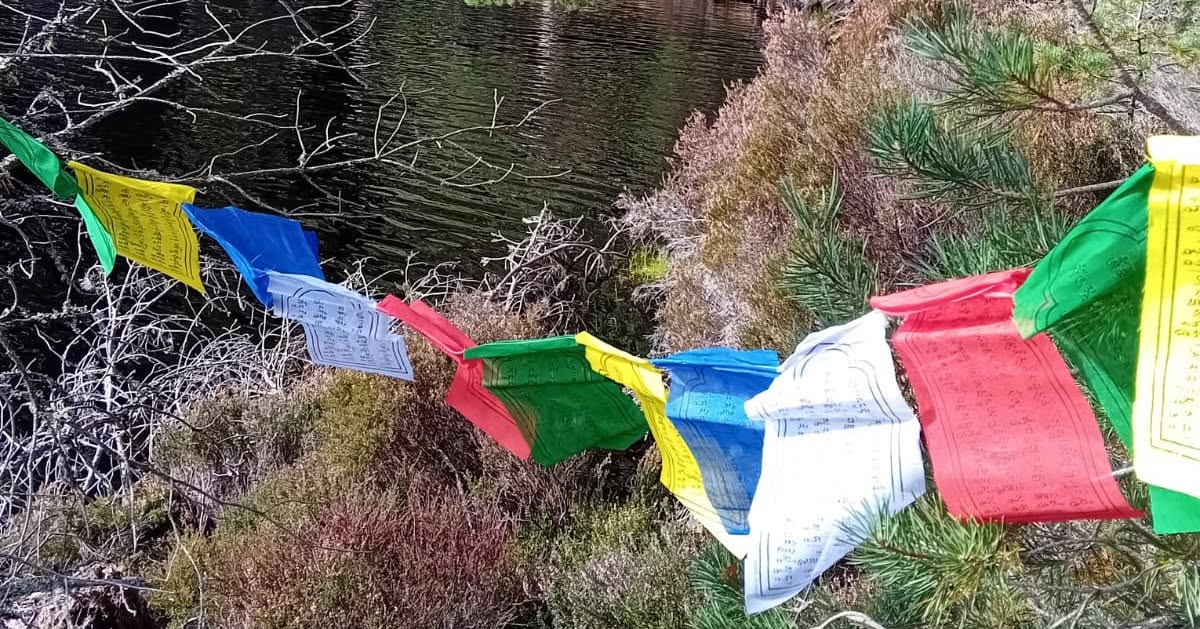
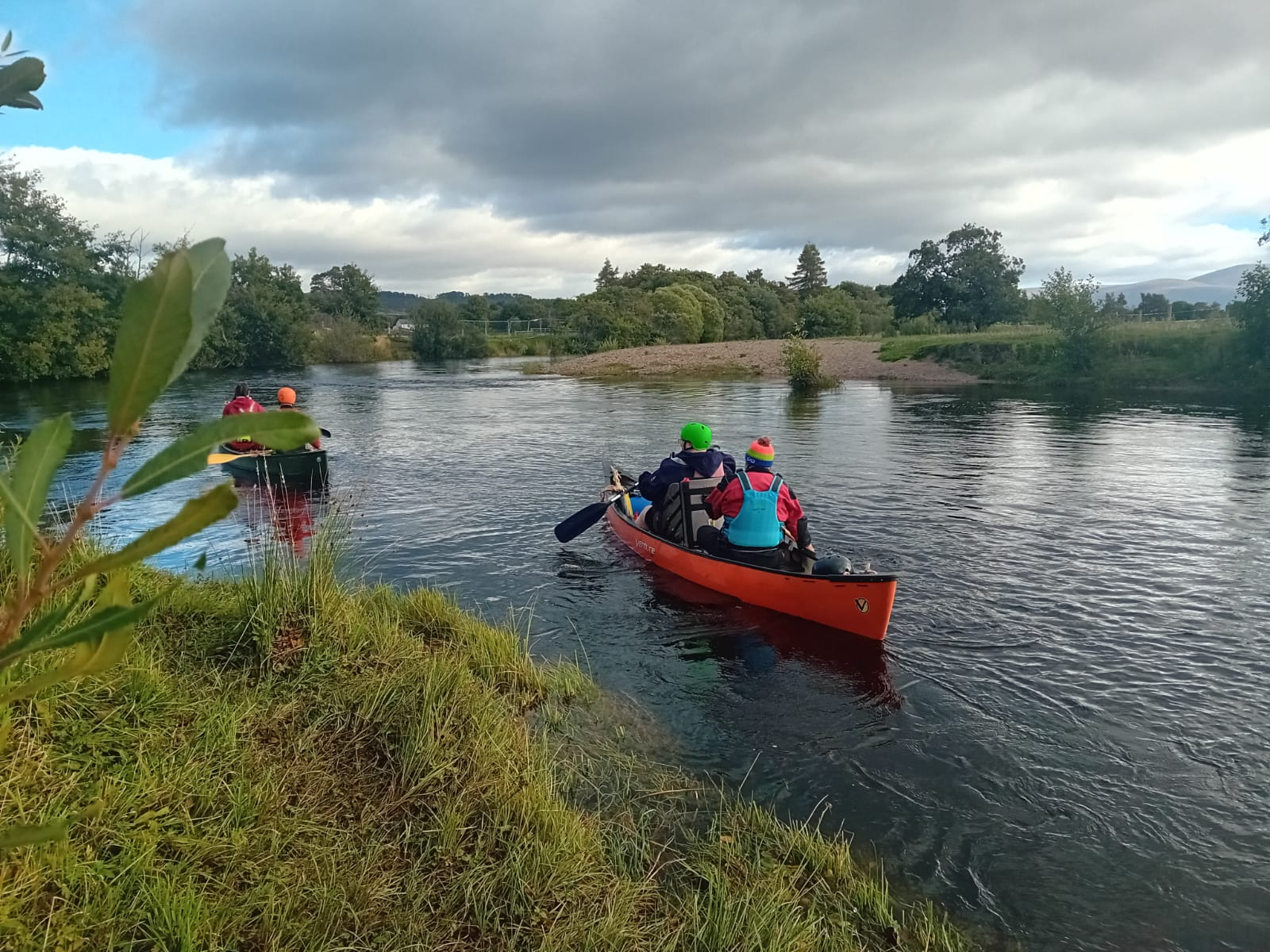
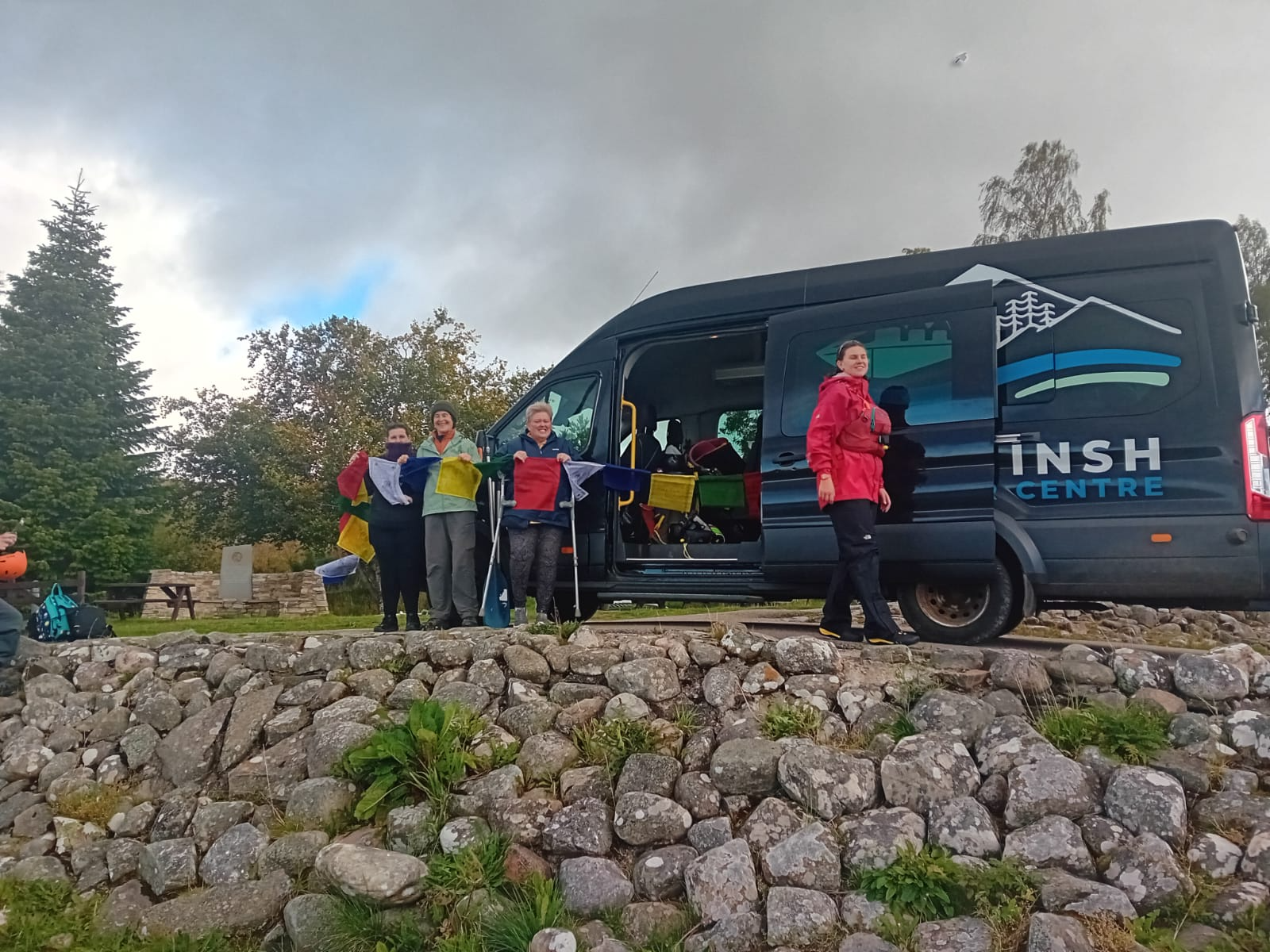
Together, We made a Difference
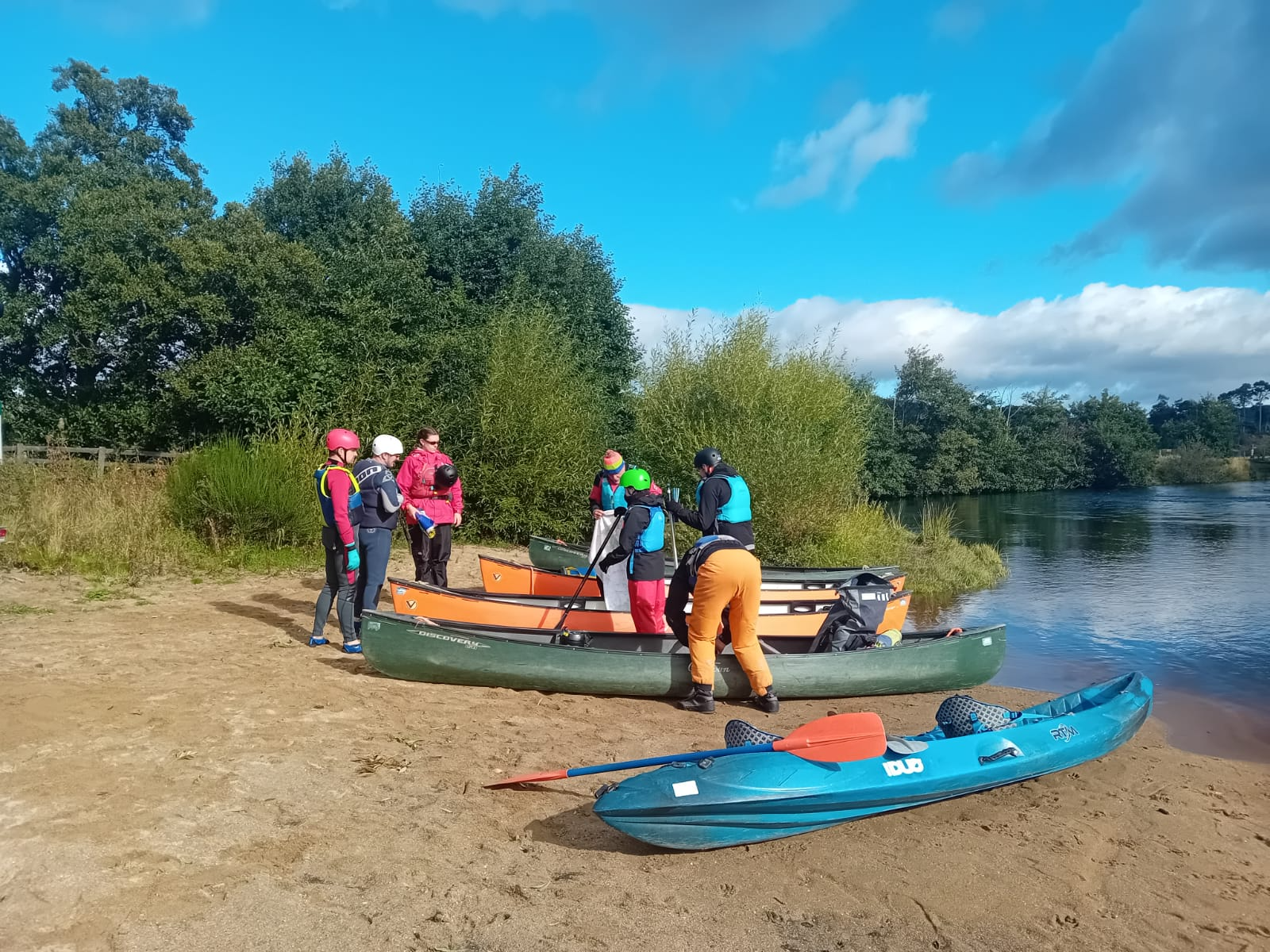
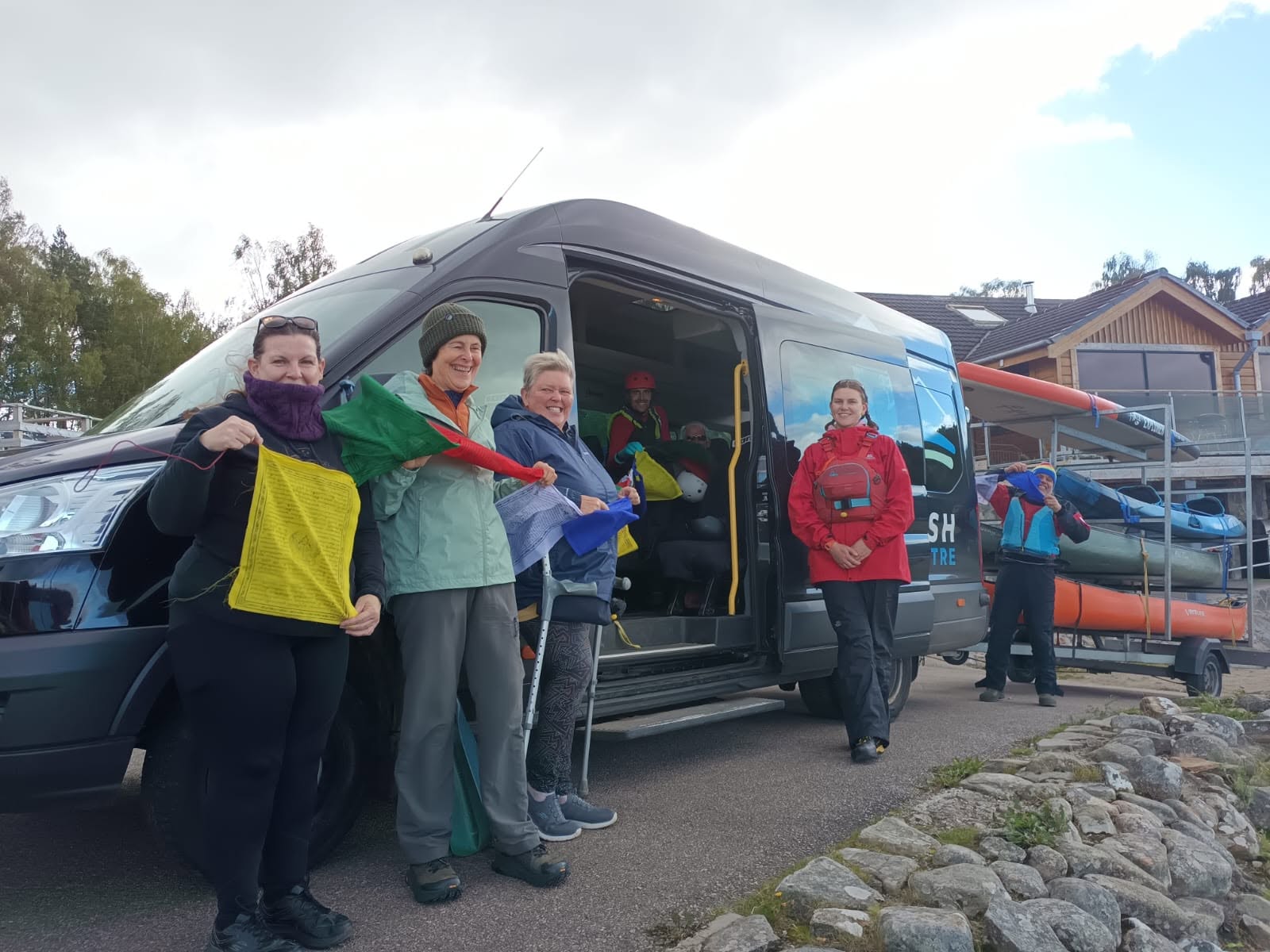
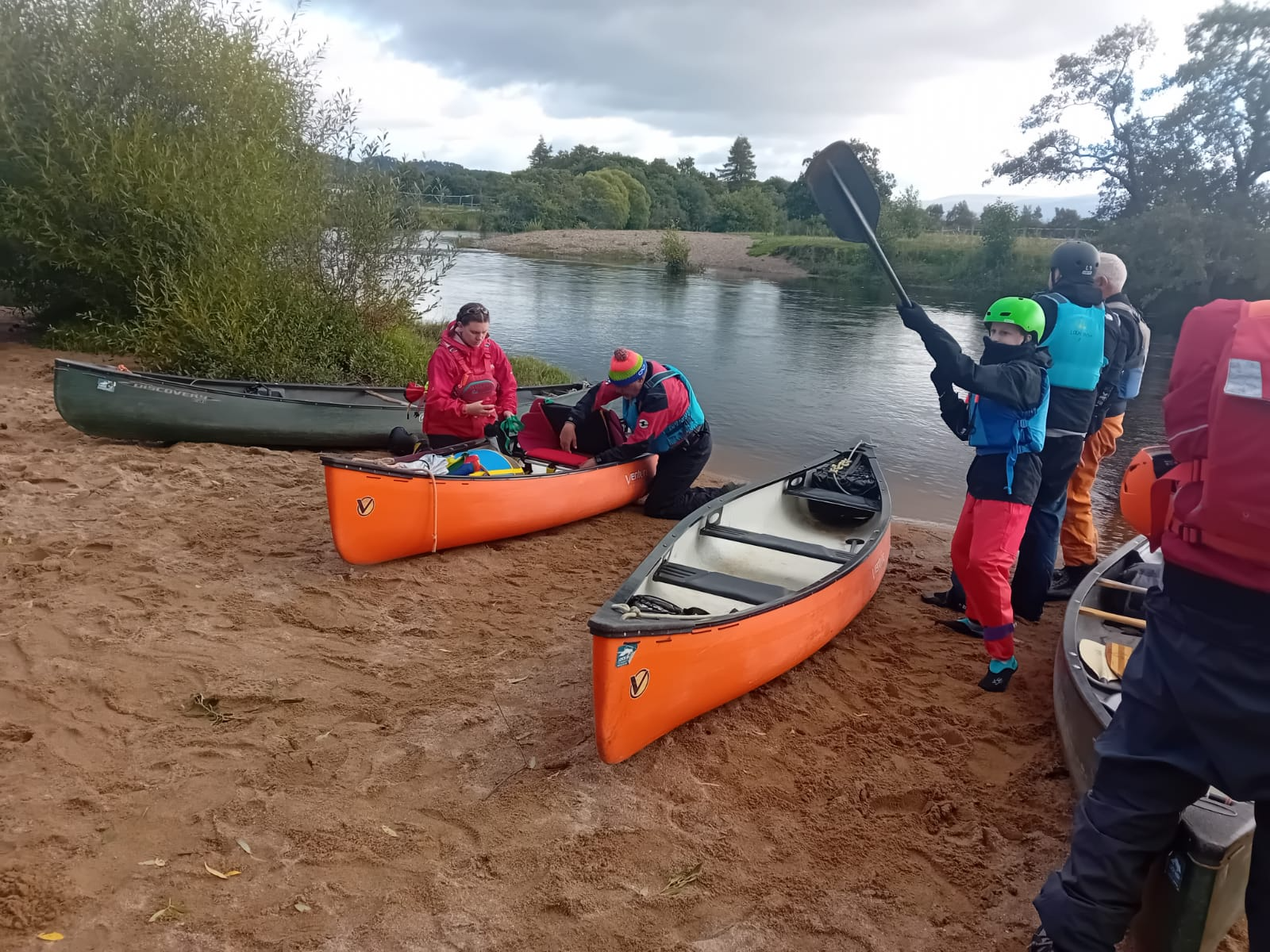
Thank you to everyone who donated, Thank you to the Equal Adventure Community, And a huge thank you to Loch Insh for supporting us.
One community. One purpose. Supporting Nepal.
Write your awesome label here.

© COPYRIGHT EAD LTD 2026 | © ALL RIGHTS RESERVED