EA Community

Your Adventure. Your Preparation. Your Participation.
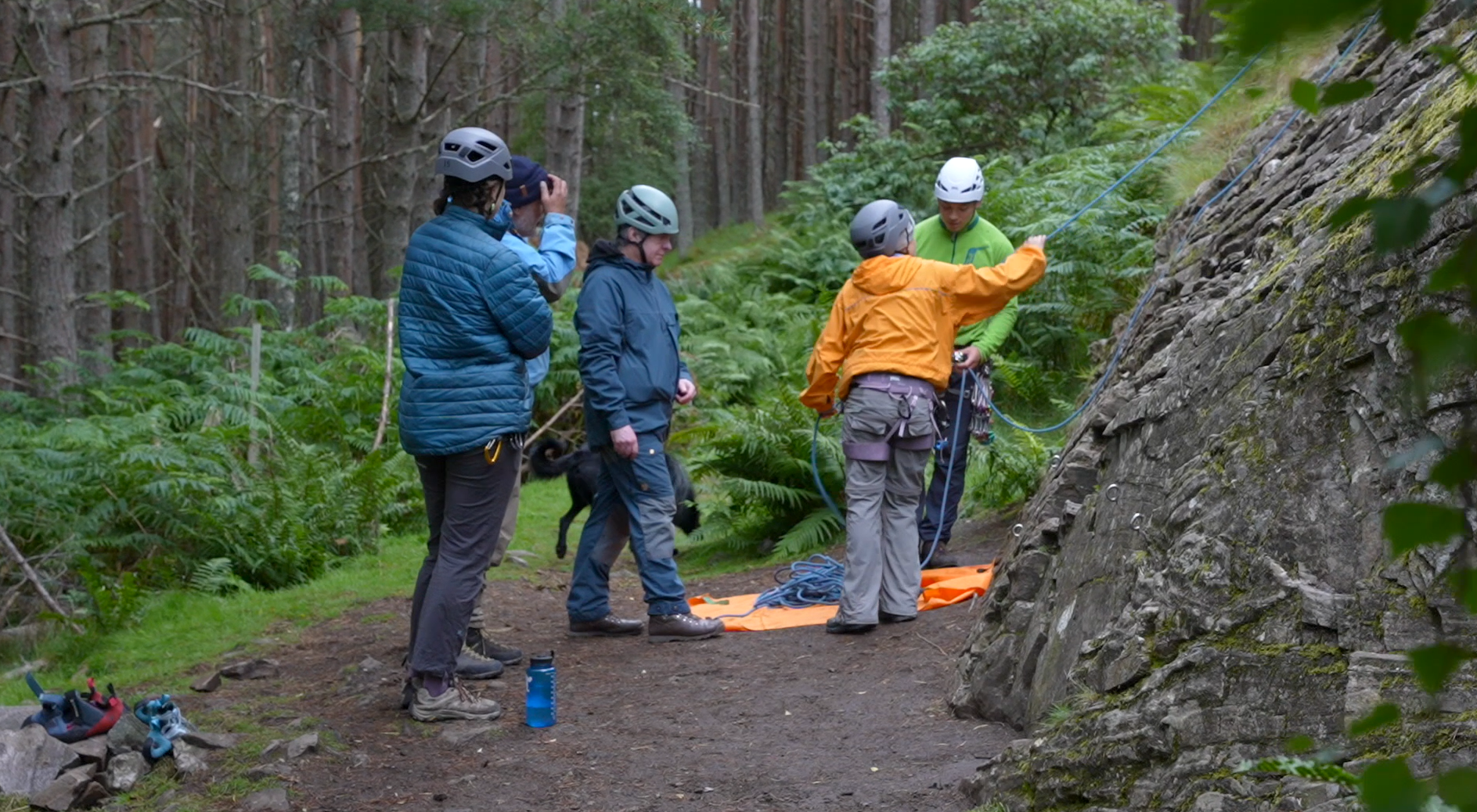
The EA Community course is designed for people taking part in Equal Adventure activities and experiences. It provides practical, accessible guidance to help you prepare for activities, make informed choices during participation, and reflect on what you have learned afterwards.

The course brings together participants, Equal Adventure Champions and EA Volunteers as part of one connected community.

It is designed to help you feel prepared, confident, comfortable and independent before, during and after your Equal Adventure experiences.
  • Make a Difference

  • Create Opportunities

  • Support Participation

  • Part of Something Great

    Benefits of our training programs

    How to prepare

    What to bring, including food, medication, clothing and personal equipment.

    Micro-Adventure Preparation

    Think about why you’re coming, what you’ll be doing, what you need and what happens next.

    Climbing Guidance

    Harnesses, adaptive equipment, warm-ups, comfort, communication and practical preparation.

    Paddlesport & Water Activities

    Managing the water margin, getting in and out of craft, posture, positioning and equipment such as the Aquabag and Armadillo.

    Paddle Wild

    Preparing for river journeys, packing independently and getting ready for longer adventures.

    More Activities

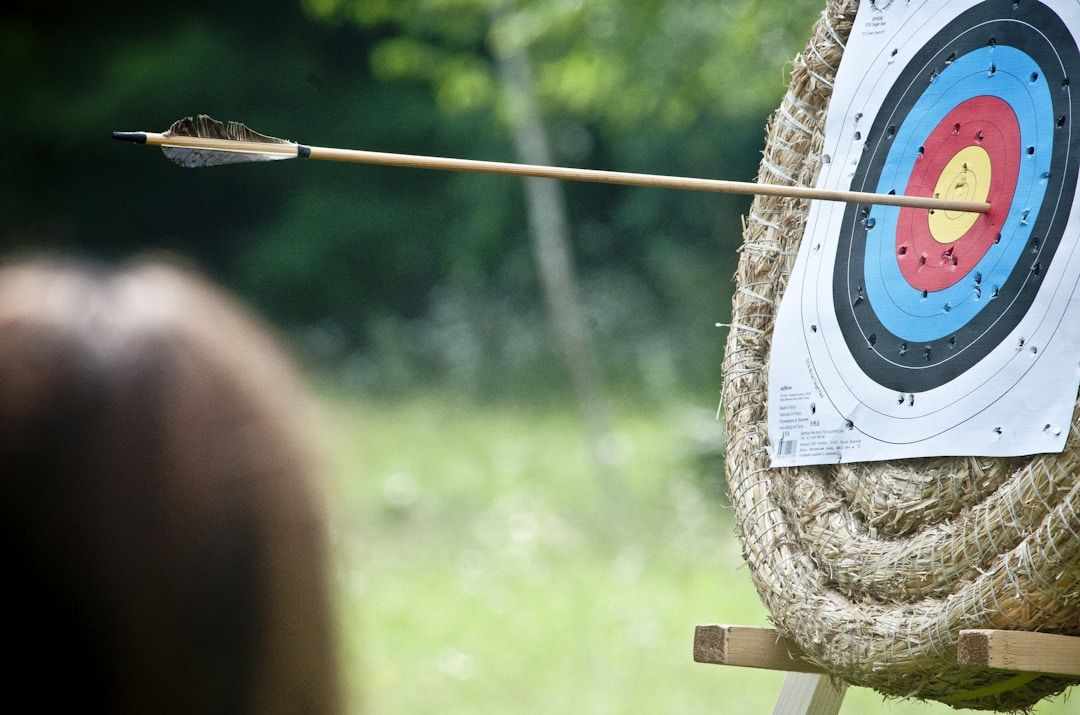
    With learning pathways for archery, bushcraft and overnight journeys developing over time.

    Aim

    To provide practical top tips, videos and resources that help you feel organised, valued and ready to make the most of your Equal Adventure experience.
    What is EA Community?

    The EA Community is more than an online course. It is a shared learning space for people involved with Equal Adventure.


    The course provides:
    • Practical preparation for upcoming activities
    • Activity-specific advice and top tips
    • Videos showing equipment, techniques and approaches
    • Guidance to help you become more independent
    • Information about comfort, positioning and personal needs
    • Opportunities to learn from other participants and the EA team
    • Resources to help you get ready for your next session
    • A place to reflect on your experiences and build confidence over time.

    The course will develop alongside the Equal Adventure activity programme, with new content added as activities and opportunities develop.

    How the course works?

    Each activity follows a simple and consistent structure:


    • BEFORE Prepare • Plan • Get Ready 
      Understand what you are going to do and what you may need.

    • DURING - Participate • Adapt • Learn 
      Use practical information and strategies to help you take part in ways that work for you.

    • AFTER - Recover • Reflect • Prepare for Next Time
      Check your comfort and wellbeing, reflect on your experience and think about what you may need for your next session. 


    This approach helps make each activity a micro-adventure — something you can prepare for, experience, learn from and build on.

    Course Sections

    01

    Getting Ready for your Adventure.

    Before taking part, it helps to think about what you need to make your experience successful.

    What to bring
    Guidance will help you think about:
    • Clothing and personal equipment
    • Food and drinks
    • Medication and personal requirements
    • Mobility and support equipment
    • Communication needs
    • Comfort and protection
    • What you may need during the activity
    • What you will need afterwards.

    Becoming more self-sufficient
    The aim is not simply to tell you what to bring. It is to help you understand what you need, why you need it and how you can prepare for yourself.

    02

    Climbing

    Before taking part, it helps to think about what you need to make your experience successful.

    What to bring
    • Guidance will help you think about:
    • Clothing and personal equipment
    • Food and drinks
    • Medication and personal requirements
    • Mobility and support equipment
    • Communication needs
    • Comfort and protection
    • What you may need during the activity
    • What you will need afterwards.

    Becoming more self-sufficient
    The aim is not simply to tell you what to bring. It is to help you understand what you need, why you need it and how you can prepare for yourself.

    Communication during climbing
    Good communication is an important part of safe and enjoyable participation.

    The course will explore:
    • How to communicate what you need
    • How to communicate discomfort
    • How to ask questions
    • How to communicate during an activity
    • How participants and instructors can work together
    • Why sensible, clear communication supports better participation.

    Where appropriate, resources from relevant climbing organisations may also be signposted.

    03

    Paddlesports & On the water

    The paddlesport pathway focuses on helping participants understand how to prepare for and manage their experience around the water.

    Managing the Water Margin

    The water marginis the area where land and water meet. Getting safely between the two is an important part of paddlesport participation.

    Content will explore:
    • Approaching the water
    • Getting in and out of a kayak, canoe or SUP
    • Managing transfers
    • Moving between land and water
    • Understanding different approaches for different performers
    • Preparing for changing conditions
    • Making the process more independent
    • Different performer approaches.

    Guidance will consider different ways people may participate, including:
    Leg, Trunk & Arms Performers
    For people who use their legs, trunk and arms during activity, including those who may use:
    • One or two sticks
    • Other mobility aids
    • Sensory strategies
    • Assistance from a dog.

    Trunk & Arms / Seated Performers
    For participants who may use a wheelchair or participate from a seated position. Content will explore:
    • Transfers
    • Posture
    • Positioning
    • Equipment
    • Comfort
    • Managing the water margin.

    Posture & Positioning
    Participants will explore ways of managing posture and positioning during activity. This may include:
    • Seated posture
    • Standing posture
    • Trunk support
    • Equipment-based positioning
    • Comfort and stability
    • Using the Aquabag
    • Using the Armadillo
    • Making adjustments to suit the individual.

    The focus is on helping participants understand the options available and work with the EA team to find what works for them.

    Helen Cooper

    Helen Cooper is fashion designer since 2002. He has a Masters Degree in Sustainable Fashion and a Bachelors in Fashion Management and has been teaching Sustainability in Fashion for over 15 years in LA. Helen enjoys teaching at all levels and all ages. She is looking forward to sharing her love for the environment and how we can help it through fashion.
    #WeAreTeam
    “Teaching on GreenLife platform has been an amazing experience.”

    Helen Cooper

    Fashion Designer, MA in Sustainable Fashion